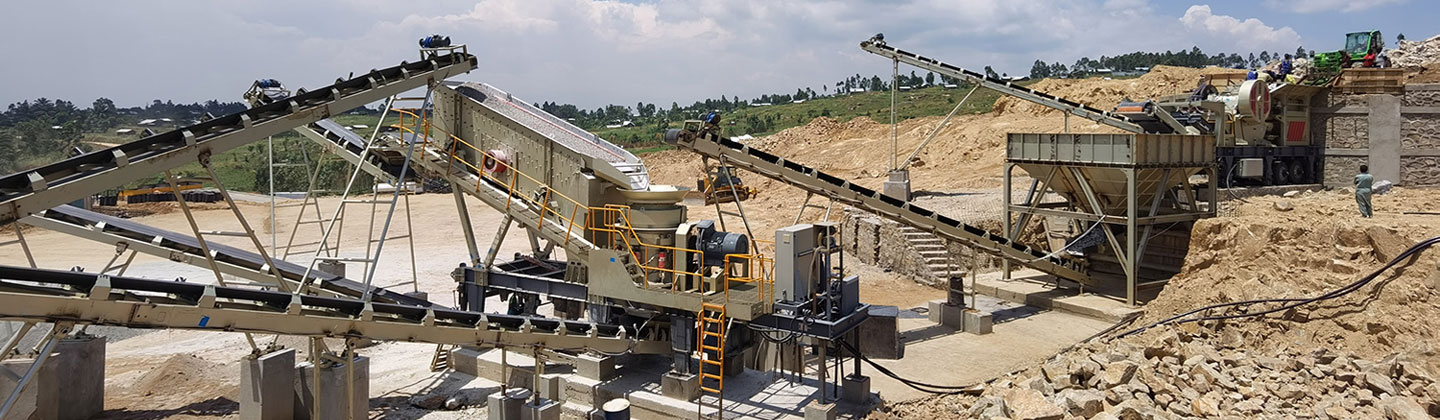
A vibrating screen is a key component in any crushed stone or aggregate production line, used to sort crushed material into different size fractions for construction, road building, concrete production, and other applications. Choosing the right screen not only affects production efficiency and product quality — it also has a significant impact on your equipment investment cost.
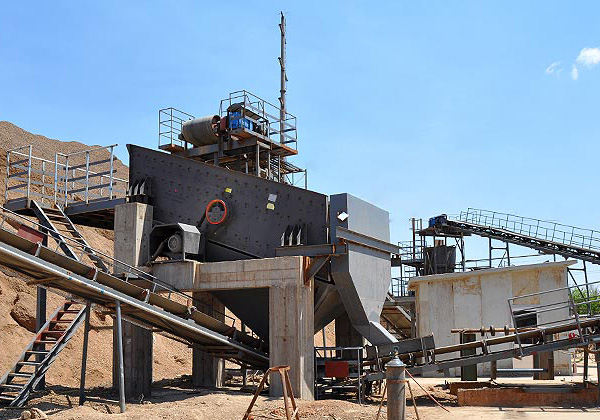
What Is a Vibrating Screen for Crushed Stone?
A vibrating screen is a mechanical device that separates crushed stone into different size ranges by vibrating material across a series of screen decks with holes or mesh. The vibrating action stratifies the material — fines pass through to lower decks and larger particles travel across the top. Vibrating screens are available as single-deck, double-deck, or multi-deck units and can be configured for various capacities and stone sizes.
Main Factors Influencing Vibrating Screen Price
The cost of a vibrating screen isn’t fixed — it varies widely based on a mix of design, performance, and market factors:
🔹 Screen Capacity
Capacity refers to how much material (tons per hour) the screen can process. Larger capacity units generally cost more because they have:
-
larger screen surface area
-
heavier structural frames
-
stronger drive systems
Typical capacities range from 30 TPH to 800+ TPH.
🔹 Number of Decks
More decks = higher price:
-
Single-deck screen — lowest price, simplest
-
Double-deck screen — mid-range price
-
Triple or four-deck screen — highest price, higher throughput
🔹 Screen Size & Configuration
Common screen sizes include 1.8 × 0.6 m, 2.4 × 0.9 m, 3.0 × 1.0 m, and larger. Price increases with screen dimensions and screening area.
🔹 Material & Build Quality
Screens built with thicker steel plate, premium springs, vibration motors, and high-wear mesh cost more — but can save money long-term through durability.
🔹 Type of Motion & Drive
Different designs — linear, circular, or elliptical — require different drive systems and affect ride quality and efficiency. Some advanced screens use eccentric shafts, heavy-duty bearings, or vibration isolation systems, increasing cost.
🔹 Brand & Manufacturer
Reputable brands often cost more initially, but can offer better performance, after-sales service, and spare parts support.
Typical Price Ranges (Indicative)
Prices vary by region, manufacturer, specs, and supply chain conditions. Below are general ranges to help you plan — actual prices may differ based on negotiations, bulk orders, export costs, and customization:
| Vibrating Screen Type | Approx. Price Range (USD) |
|---|---|
| Small single-deck screen (30–80 TPH) | $4,000 – $10,000 |
| Medium double-deck screen (80–200 TPH) | $10,000 – $25,000 |
| Large triple-deck screen (200–500 TPH) | $25,000 – $55,000 |
| Extra-large multi-deck screen (>500 TPH) | $55,000 – $120,000+ |
How to Get the Best Price Without Compromising Quality
Here are smart tips before you invest:
✅ Specify capacity & product sizes clearly — picking the right size avoids over-spending
✅ Request multiple quotes — compare technical details, not just price
✅ Ask about screen media options — long-lasting panels reduce replacement cost
✅ Negotiate package deals — screens bundled with feeders or conveyors often save money
✅ Check warranty & support — cheaper parts with poor backup can cost more long-term
The price of a vibrating screen for crushed stone depends on a balance between capacity, quality, configuration, and support services. While a low upfront price can be attractive, the smartest investment is a screen that reliably meets your production needs with minimal downtime and maintenance costs.