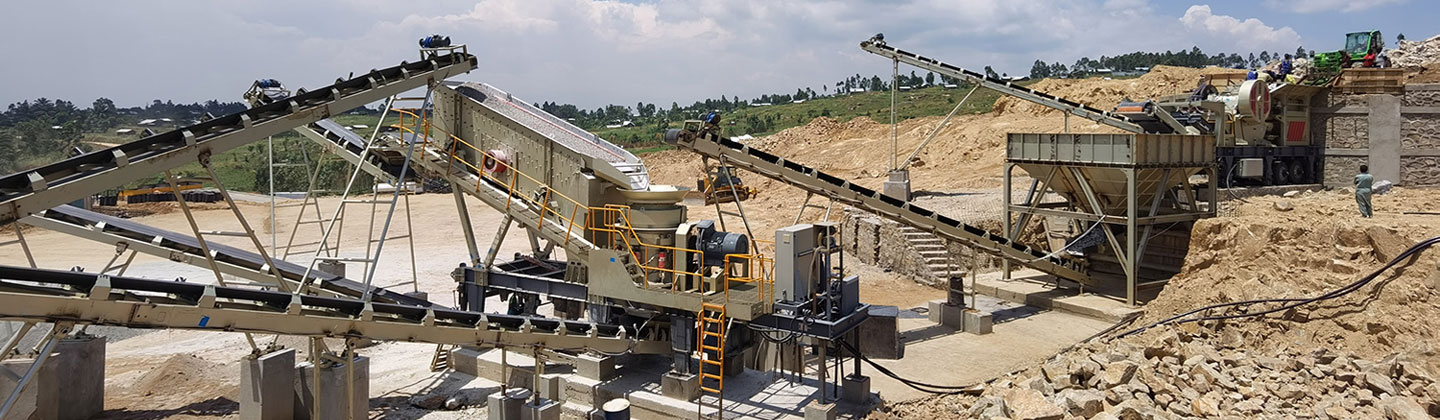
Calculating the capacity of a stone crushing plant is crucial for optimizing production, reducing operational costs, and ensuring efficient material processing. The capacity depends on various factors, including the type of crushers, feed size, discharge size, hardness of the material, and operational conditions. Below, we break down the key considerations and methods for estimating stone crushing plant capacity.
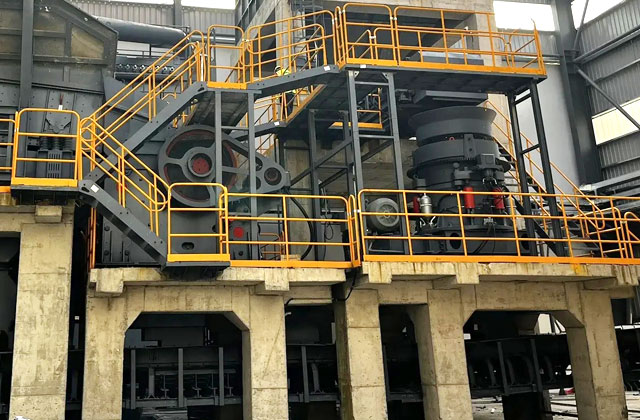
Factors Affecting Crushing Plant Capacity
- Crusher Type & Performance
- Different crushers (jaw crushers, cone crushers, impact crushers, etc.) have varying capacities based on their design and crushing principle.
- Example: A jaw crusher may process 100–1,500 tons/hour depending on feed size and setting.
- Material Characteristics
- Hardness (Mohs scale), abrasiveness, and moisture content affect throughput.
- Soft limestone crushes faster than granite or basalt, reducing power consumption and increasing capacity.
- Feed Size & Discharge Requirements
- Larger feed size reduces capacity unless pre-screened.
- Finer discharge settings decrease throughput due to additional crushing stages.
- Screening Efficiency
- Properly sized screens improve efficiency by reducing recirculation load.
- Closed-circuit setups boost capacity by returning oversize material for further crushing.
- Operational Conditions
- Maintenance, conveyor speed, and power supply influence consistent output.
Basic Capacity Calculation Formulas
(1) Jaw Crusher Capacity
A common formula for jaw crusher capacity estimation is:
Capacity (tons/hour) = (G * L * W) / 1000
Where:
- G = Closed-side setting (mm)
- L = Length of feed opening (mm)
- W = Width of feed opening (mm)
This provides an approximate production rate, but actual capacity may vary based on material properties.
(2) Cone Crusher Capacity
For cone crushers, capacity depends on eccentric throw, CSS, and rotation speed:
Capacity (tons/hour) = K * (CSS) * (D) * (n)
Where:
- K = Constant (varies by crusher type and material)
- CSS = Closed-side setting (mm)
- D = Diameter of mantle bottom (mm)
- n = Rotational speed (RPM)
(3) Impact Crusher Capacity
Impact crushers rely on rotor speed and material impact:
Capacity (tons/hour) = (RPM × Rotor Diameter × Feed Size Factor × Material Factor) / Constant
Each manufacturer provides specific charts for their equipment.
Plant-Wide Capacity Calculation
A stone crushing plant consists of multiple stages (primary, secondary, tertiary crushing) and screening units. The overall capacity is determined by the slowest unit in the process.
Steps:
- Determine individual equipment capacities (using formulas/manufacturer data).
- Account for screening efficiency—if screens bottleneck production, plant capacity reduces.
- Include conveyor and feeder speeds to ensure smooth material flow.
- Apply efficiency factors (typically 80-90%, depending on operator skill and maintenance).
Practical Example Calculation
Assume a plant with:
- Primary jaw crusher (capacity: 200 tph)
- Secondary cone crusher (capacity: 150 tph)
- Tertiary impact crusher (capacity: 120 tph)
- Screening efficiency: 90%
The effective plant capacity = Minimum (200, 150, 120) × Screening efficiency
= 120 tph × 0.9
= 108 tph
Practical Considerations
- Test Runs: Conduct trial operations to measure actual throughput under real conditions.
- Maintenance Impact: Poorly maintained crushers lose 10–30% efficiency.
- Scalping & Pre-Screening: Removing fines before crushing boosts productivity.
Proper capacity estimation ensures cost-effective operations and prevents bottlenecks. Combining theoretical calculations with real-world testing provides the most reliable production forecasts. For optimized performance, tailor settings based on material properties and desired product sizes.
Would you like assistance selecting crushers based on your specific material? Let me know your requirements!