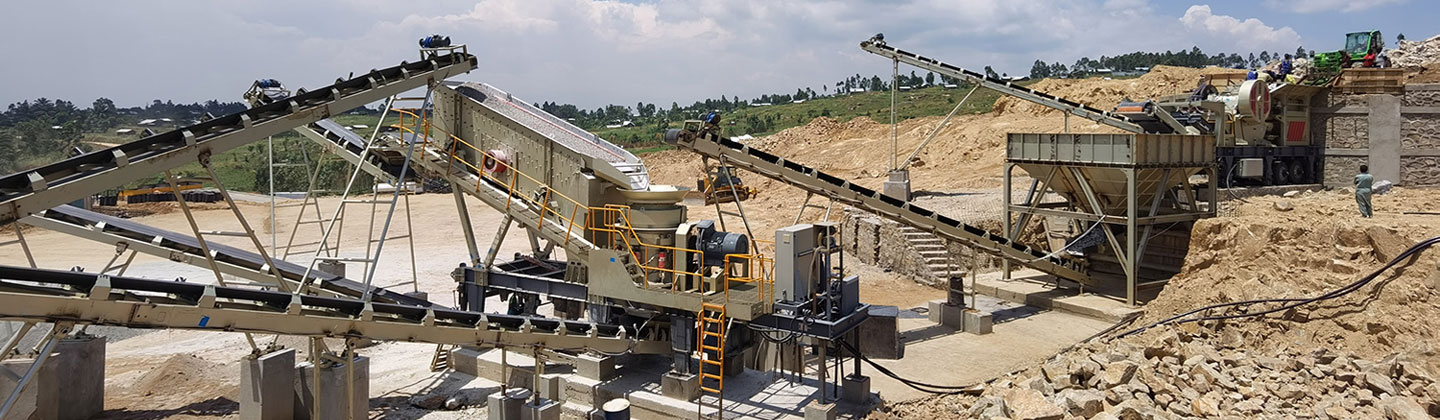
Limestone mining is a cornerstone of the construction and industrial sectors, as limestone is widely used in cement production, steel manufacturing, and road construction. One of the most critical pieces of equipment in limestone mining is the jaw crusher, which efficiently breaks down large rocks into manageable sizes for further processing. Choosing the right jaw crusher supplier is therefore essential to ensure productivity, reliability, and cost-efficiency in mining operations.
What is a Jaw Crusher?
A jaw crusher is a heavy-duty machine designed to crush large rocks and ores into smaller sizes. It works by applying compressive force through two jaw plates—one stationary and one moving. The crushed material then exits the crusher at a uniform size suitable for subsequent processing stages, such as grinding or secondary crushing.
For limestone mining, jaw crushers are favored because they can handle hard, abrasive materials and offer consistent output with low maintenance requirements.

Key Features to Look for in a Jaw Crusher for Limestone
When sourcing a jaw crusher for limestone mining, several critical factors should guide your selection:
-
Capacity and Throughput:
The capacity of the crusher determines how much limestone it can process per hour. Suppliers usually provide crushers with capacities ranging from 50 tons per hour to over 500 tons per hour. Selecting the right capacity ensures your operation runs efficiently without bottlenecks. -
Crushing Ratio and Size Reduction:
Limestone often needs to be crushed to specific sizes for cement or aggregate production. A jaw crusher with a high crushing ratio ensures large blocks of limestone are efficiently reduced to desired sizes in one pass. -
Durability and Wear Resistance:
Limestone can be abrasive, so jaw crushers must feature wear-resistant components such as manganese steel jaw plates. Reliable suppliers provide crushers built to withstand long-term operation under harsh conditions. -
Energy Efficiency:
Modern jaw crushers are designed to consume less energy while maintaining high performance. An energy-efficient crusher reduces operational costs and environmental impact. -
Ease of Maintenance:
Jaw crushers require regular maintenance to ensure consistent performance. Suppliers that offer easily replaceable parts, accessible service points, and technical support reduce downtime and maintenance costs.
Choosing the Right Jaw Crusher Supplier
Selecting a reputable supplier is just as important as choosing the right machine. Here are some criteria to consider:
-
Experience in Limestone Mining: Suppliers with a track record in limestone crushing understand the unique challenges of the material and can recommend the best machine specifications.
-
Customization Options: Reliable suppliers can customize jaw crushers to meet specific production requirements, such as feed size, output size, or mobility.
-
Technical Support and After-Sales Service: Suppliers offering installation support, operator training, and readily available spare parts help ensure smooth long-term operations.
-
Global Presence and Delivery: Depending on your location, consider suppliers that can deliver quickly and provide timely support.
Leading Trends in Jaw Crushers for Limestone
-
Mobile Jaw Crushers: Increasingly, limestone mining operations favor mobile jaw crushers, which offer flexibility and can be moved closer to the quarry site.
-
Automation and Smart Monitoring: Advanced jaw crushers now feature automation systems that monitor wear, adjust settings, and optimize energy usage in real time.
-
Eco-Friendly Solutions: Some suppliers are introducing jaw crushers with lower dust emissions and noise levels, aligning with stricter environmental regulations.
Choosing the right jaw crusher supplier is critical to ensure quality equipment, technical support, and long-term operational success. By focusing on capacity, durability, efficiency, and supplier reliability, mining operators can maximize output and minimize costs, securing a competitive advantage in the limestone industry.