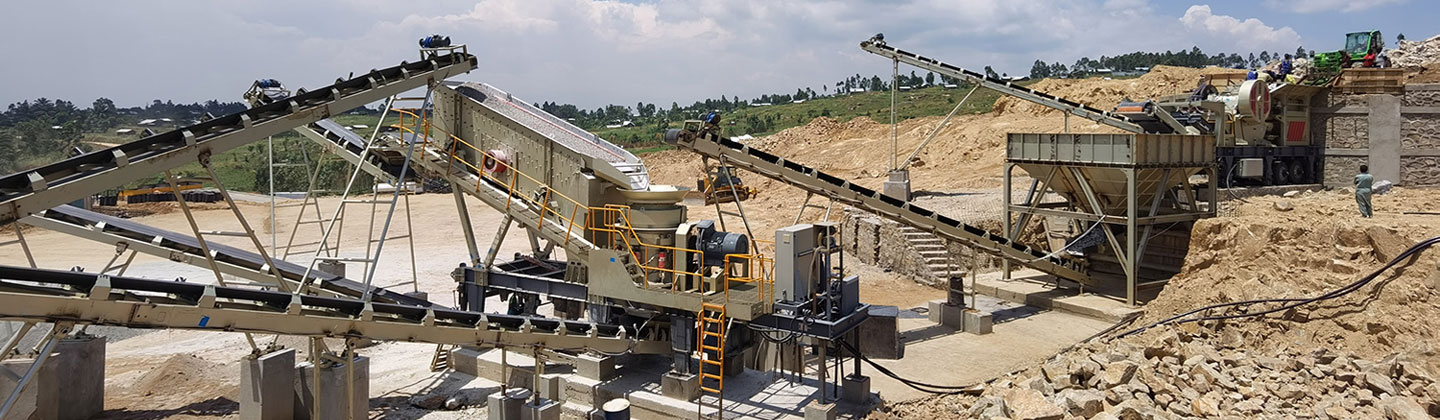
Crushed stone is a fundamental material in construction, road building, and various infrastructure projects. An essential machine in the production process is the vibrating screen, which ensures efficient separation and classification of crushed stone into different sizes.
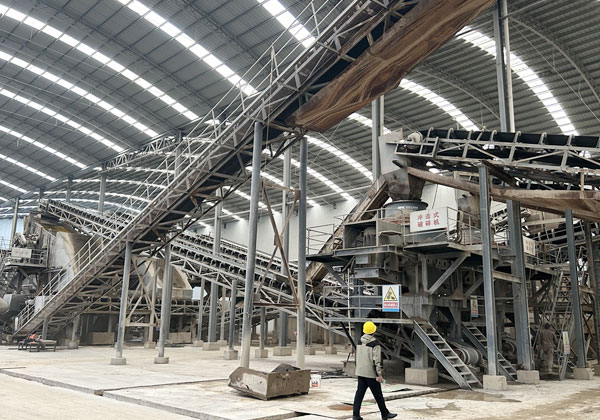
Role of Vibrating Screens in Crushed Stone Production
Vibrating screens perform multiple key functions in a crushed stone production plant:
- Size Separation – After primary and secondary crushing (e.g., jaw crushers and cone crushers), crushed stone contains mixed particle sizes. The vibrating screen segregates materials into specified grades (such as 0-5mm, 5-10mm, 10-20mm, etc.) based on project requirements.
- Removal of Fines & Over-Sized Particles – It screens out unwanted undersized particles (fines) and oversized aggregates, ensuring consistent product quality.
- Improving Crushing Efficiency – By recycling oversized stones back into the crusher, vibrating screens optimize material flow and reduce unnecessary wear on crushing machines.
Types of Vibrating Screens Used
Different vibrating screens are deployed based on production needs:
- Linear Vibrating Screen – Ideal for medium-to-fine screening, providing high accuracy for controlled particle sizes.
- Circular Vibrating Screen – Suitable for coarse screening, offering strong vibration amplitude for handling large volumes of stone material.
- Heavy-Duty Screen – Designed for high-capacity screening in large quarries, ensuring durability under heavy loads.
Factors Affecting Screening Efficiency
Several factors influence vibrating screen performance:
- Screen Mesh Size – Determines the final product gradation.
- Vibration Frequency & Amplitude – Adjustable settings impact separation efficiency.
- Moisture Content – Wet screening may be necessary for sticky materials.
- Feed Rate & Material Distribution – Consistent feeding ensures optimal screening results.
Maintenance & Optimization
To maximize uptime and efficiency:
- Regularly inspect screen meshes for wear and tear.
- Ensure proper lubrication of bearings and vibrating mechanisms.
- Monitor vibration intensity to prevent structural damage.
For customized vibrating screen solutions tailored to your production needs, consulting with professional manufacturers can help optimize your crushing and screening process.