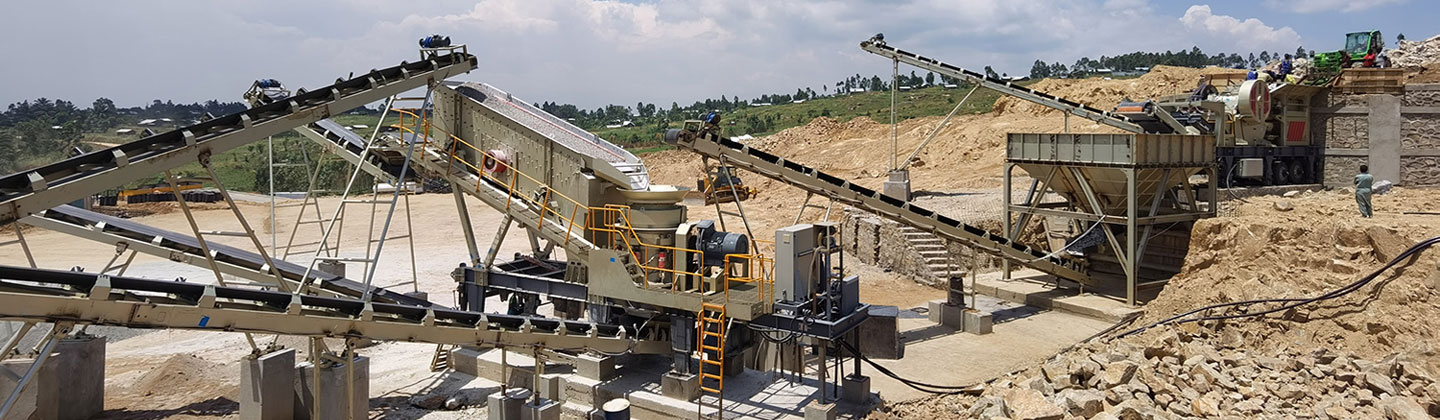
Crushing hard ore efficiently requires selecting the right equipment to maximize productivity, reduce wear and tear, and minimize operational costs. Different types of crushers are suitable for various stages of the crushing process. Understanding hardness, feed size, output requirements, and production capacity helps determine the optimal crushing setup.
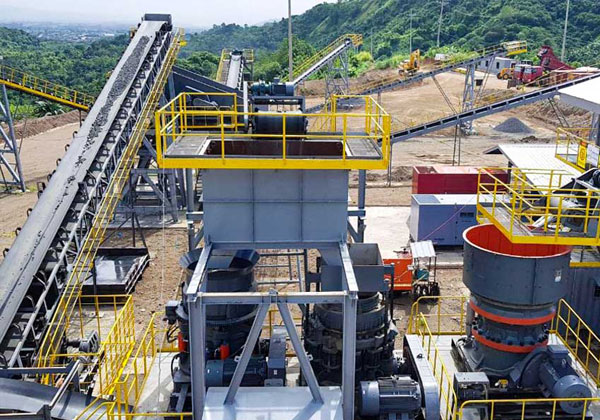
Key Considerations for Crushing Hard Ore
- Ore Characteristics
- Hardness & Abrasiveness: Hard ores (e.g., granite, basalt, iron ore) require robust crushing machines capable of sustained high-pressure impact and compression.
- Feed Size: Large raw blocks from blasting operations necessitate primary crushers with strong feed acceptance capacity.
- Moisture & Clay Content: Wet crushing solutions may be needed if the material has high stickiness or moisture levels.
- Production Capacity Demand
- Small to medium operations (<500 t/h) often prefer jaw crushers for their simplicity and adaptability.
- Large-scale mining (>1000 t/h) may benefit from gyratory crushers, which offer continuous crushing and higher throughput efficiency.
Recommended Crushing Equipment
- Jaw Crushers
- Ideal for hard, abrasive ores with feeds up to 1500mm.
- Features high reduction ratios and straightforward maintenance.
- Best suited for stationary or mobile setups with moderate capacity needs.
- Gyratory (Cone) Crushers
- Higher productivity for large-scale hard rock operations.
- Continuous crushing action reduces downtime and handles slabby feed efficiently.
- Preferred in high-tonnage mining applications (>1000 t/h).
Choosing Between Jaw and Gyratory Crushers
| Factor | Jaw Crusher | Gyratory Crusher |
|---|---|---|
| Capacity | Moderate | Very High |
| Feed Size | Up to 1500mm | Larger feeds possible |
| Maintenance | Simpler, lower cost | More complex, higher initial investment |
| Best For | Medium-scale projects, versatility | Large mines with continuous operation |
Supporting Equipment for Optimal Efficiency
- Pre-Screening – Removes fines before crushing to reduce wear.
- Vibrating Feeders – Ensures steady material flow into crushers.
- Automated Control Systems – Monitors performance and adjusts settings in real-time.
For hard ore crushing, jaw crushers offer flexibility and cost-effectiveness for mid-sized operations, while gyratory crushers excel in high-capacity mining environments. The optimal choice depends on feed size, project scale, and long-term production objectives. Investing in rugged, well-matched equipment enhances throughput while lowering operational costs per ton.
For customized crushing solutions tailored to your ore specifications, consult with industry experts to design an efficient, high-performance processing circuit.