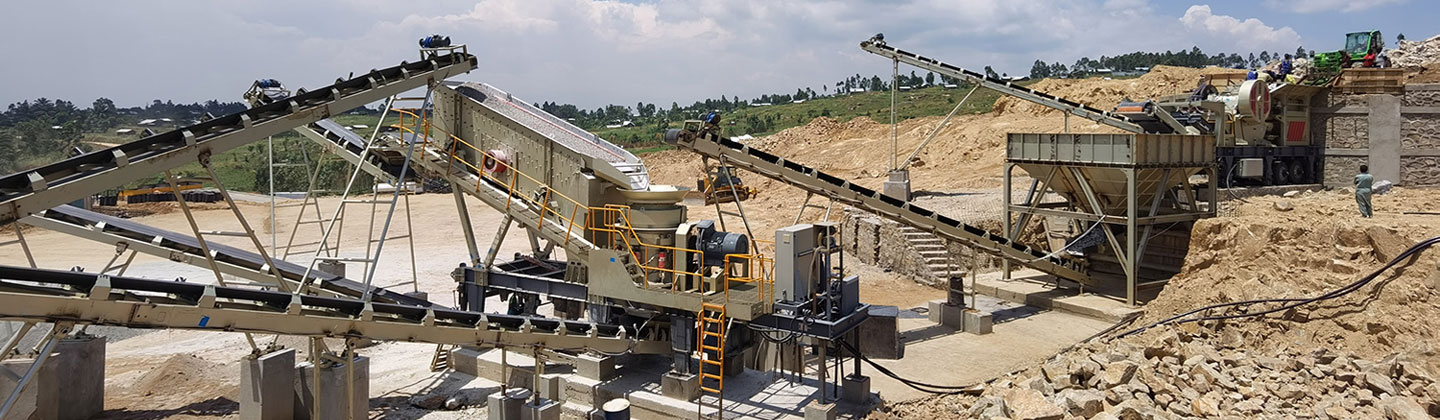
Impact crushers are highly efficient machines designed for fine crushing of various materials, from soft to extremely hard. Widely used in mining, construction, and industrial applications, these crushers excel in producing uniform, high-quality aggregates for concrete, asphalt, and railway ballast. Among the various crushing technologies available, the impact crusher stands out as a superior choice for fine crushing applications due to its high efficiency, versatility, and reliable performance.
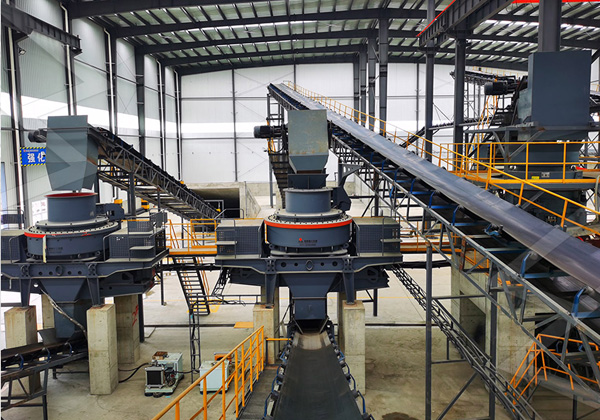
How Impact Crushers Work
Impact crushers operate on the principle of “rock-on-rock” or “rock-on-steel” impact crushing. Material enters the crushing chamber, where high-speed rotating hammers or blow bars strike the feed material, breaking it down through impact forces. The shattered particles are then thrown against impact plates (or anvils) for further fragmentation until they reach the desired size.
Key components include:
- Rotor & Blow Bars – Delivers high-speed impact force to break materials.
- Impact Plates – Lined surfaces that further crush particles via secondary collisions.
- Adjustable Discharge Gate – Controls final output size by regulating particle retention time.
Applications in Fine Crushing
Impact crushers are ideal for refining materials into smaller, uniform sizes, including:
- Aggregates Production – Manufactures finely crushed sand and gravel for construction.
- Ore Processing – Efficiently crushes minerals like iron, copper, and gold ores for further beneficiation.
- Recycling – Processes demolition waste and concrete into reusable materials.
- Industrial Minerals – Handles abrasive substances like quartz, bauxite, and slag with high wear resistance.
Advantages Over Other Crushers
Compared to jaw and cone crushers, impact crushers offer:
✔ Higher Reduction Ratio – Capable of fine-tuning output sizes down to 0-5 mm.
✔ Superior Particle Shape – Produces cubical, well-graded aggregates ideal for construction.
✔ Versatile Adjustability – Easy to modify crushing intensity for different material grades.
✔ Energy Efficiency – Lower power consumption per ton compared to conventional crushers.
Selecting the Right Impact Crusher
When choosing an impact crusher for fine crushing, consider:
- Material Hardness & Abrasiveness – Harder ores require reinforced wear parts.
- Desired Output Size – Adjustable speed and impact plate settings determine fineness.
- Capacity Requirements – Higher throughput models suit large-scale operations.
- Maintenance Needs – Robust designs minimize downtime for wear part replacement.
Industry Innovations
Recent advancements in impact crusher technology include:
- Automated Control Systems – Enhances operational efficiency via real-time adjustments.
- Improved Wear Materials – Extends component lifespan with tungsten carbide inserts.
- Hybrid Drive Options – Reduces energy consumption while maintaining performance.
Impact crushers remain a dominant force in fine crushing applications due to their versatility, efficiency, and adaptability. Whether producing construction-grade aggregates or processing minerals, these machines deliver precision-crushed materials with lower operational costs. Investing in a modern impact crusher ensures higher productivity and superior product quality for industries requiring finely processed materials.