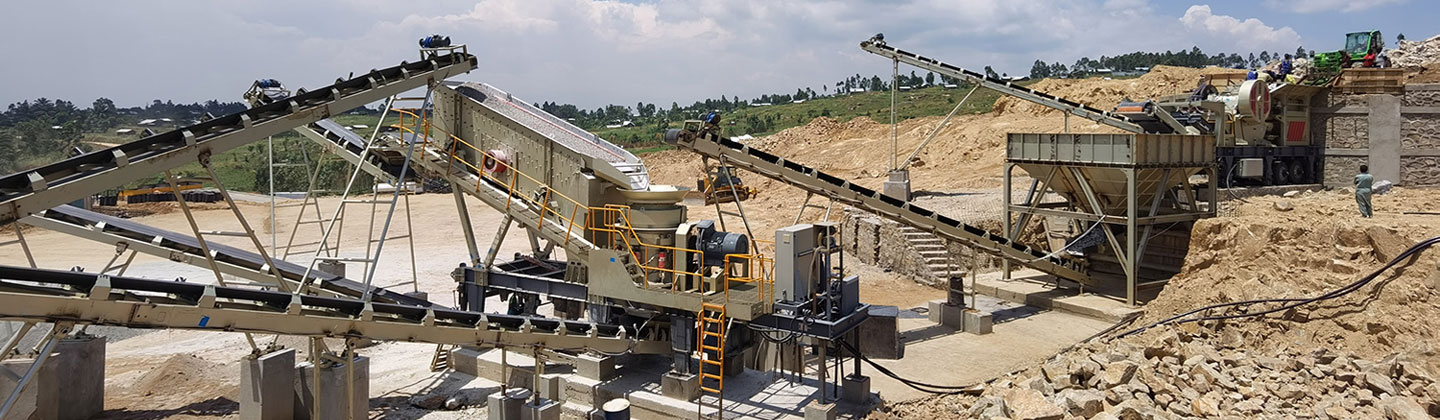
Metal ores, due to their high hardness and complex mineral composition, present significant challenges in extraction and processing. Choosing the right crushing equipment is crucial for optimizing production efficiency, reducing energy consumption, and ensuring high-quality output.
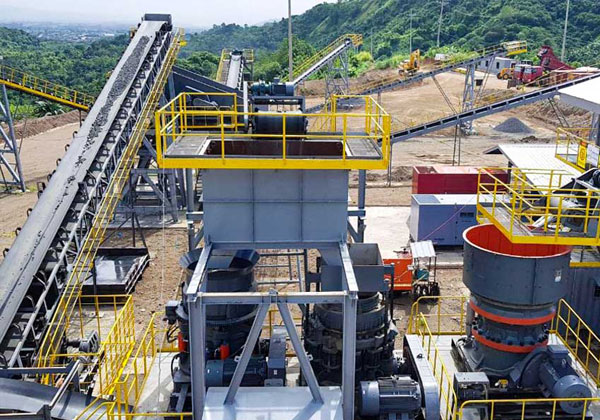
Key Factors in Selecting Metal Ore Crushers
1. Ore Characteristics
Different metal ores vary in hardness, abrasiveness, and moisture content. For example:
- Iron ore requires robust jaw crushers and cone crushers due to its hardness.
- Copper or gold ores may need impact crushing combined with fine grinding for better liberation.
- Laterite nickel ore, being softer and clay-rich, may demand specialized roll crushers or hammer mills.
Selecting the correct crusher depends on the ore’s compressive strength, abrasiveness, and particle size distribution.
2. Production Capacity Requirements
The crusher’s throughput must match the mine’s processing capacity:
- Small-scale operations may use single-stage jaw crushers.
- Large-scale industrial mines require multi-stage crushing (jaw crushers → cone crushers → grinding mills).
Hydraulic cone crushers offer higher efficiency for medium-to-hard ores, optimizing the “crush more, grind less” principle.
3. Final Product Particle Size & Shape
Certain downstream processes—such as magnetic separation or flotation—demand precise particle sizes:
- Jaw crushers are ideal for primary crushing (coarse discharge).
- Cone crushers provide uniform cubical output for secondary/tertiary stages.
- Vertical shaft impactors (VSIs) ensure superior shaping for manufactured sand requirements.
Common Crushers Used in Metal Ore Processing
1. Jaw Crusher (Primary Crushing)
- High crushing ratio (6:1 to 8:1).
- Suitable for hard, abrasive ores (e.g., iron ore).
- Low maintenance but limited fine particle control.
2. Cone Crusher (Secondary/Tertiary Crushing)
- Hydraulic cone crushers provide better overload protection.
- Multi-cylinder models enhance crushing efficiency using laminated crushing principles.
- Adjustable discharge sizes optimize downstream grinding.
3. Impact Crusher (Soft-to-Medium Ores)
- Best for ores with lower abrasiveness (e.g., manganese, copper).
- Produces well-shaped aggregates but wears faster with hard materials.
Choosing the right metal ore crusher involves analyzing ore properties, processing requirements, and economic factors. Jaw crushers are essential for primary crushing, while cone crushers (especially hydraulic models) excel in secondary and fine crushing due to their superior efficiency and durability.
Would you like specific recommendations based on a particular metal ore type? Let me know if you need further details!