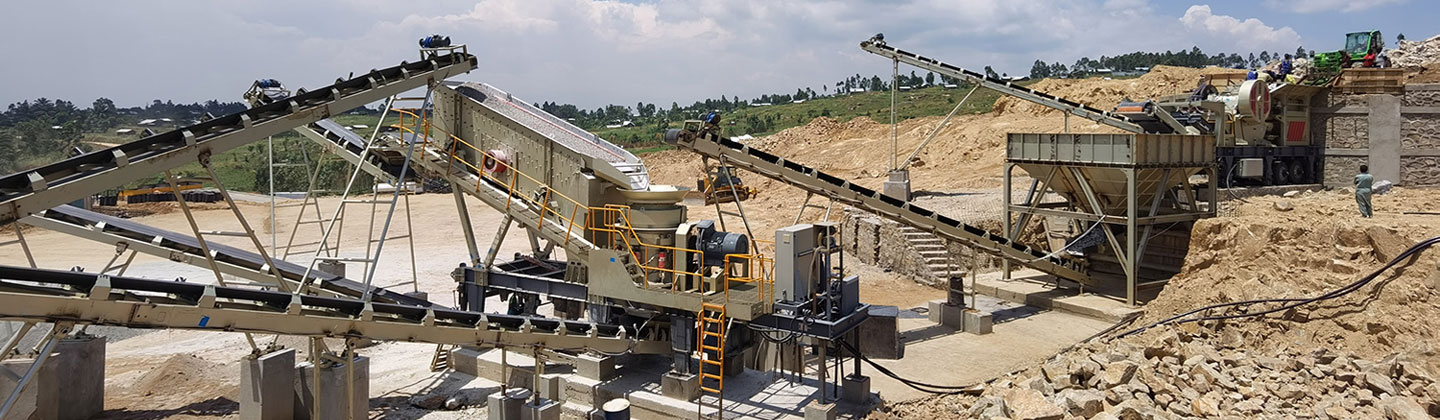
Jaw crushers are essential primary crushing machines widely used in quarrying, mining, and aggregate production. Their robust structure and efficient crushing mechanism make them ideal for reducing large rocks into smaller, manageable sizes. Understanding the key components of a jaw crusher helps optimize performance and maintenance in quarrying operations.
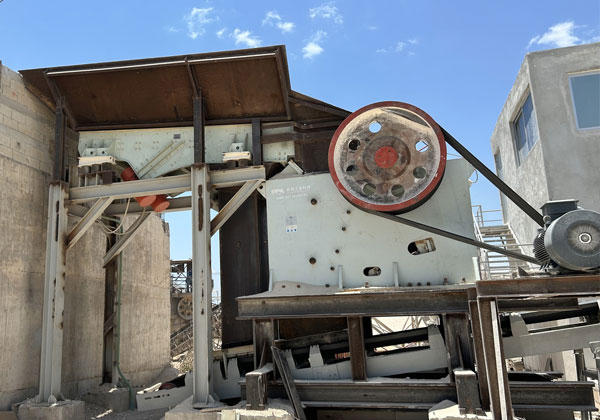
Main Components of a Jaw Crusher
1. Frame
The frame is the foundation of the jaw crusher, providing structural integrity and support for all other components. Typically made from high-strength cast steel or welded steel plates, the frame ensures stability during crushing operations.
2. Fixed Jaw and Movable Jaw Plates
The crushing chamber consists of two manganese steel jaw plates:
- Fixed Jaw Plate: Attached firmly to the frame and remains stationary during operation.
- Movable Jaw Plate: Moves in an elliptical motion against the fixed jaw, compressing and crushing the material.
3. Toggle Plate
The toggle plate acts as a safety mechanism, protecting the crusher from damage caused by uncrushable materials (e.g., tramp iron). If excessive force is applied, the toggle plate breaks, preventing costly mechanical failures.
4. Eccentric Shaft
The eccentric shaft transmits power from the motor to the movable jaw, generating the crushing motion. Made from high-quality forged steel, this component undergoes significant stress and requires regular lubrication.
5. Flywheel
The flywheel stores energy, helping maintain consistent crushing power and reducing fluctuations in motor load. Balanced flywheels ensure smooth operation and minimize vibrations.
6. Bearings
High-quality bearings support the eccentric shaft, ensuring smooth rotational movement. Proper lubrication extends bearing life and prevents premature failure.
7. Adjustment Mechanism
Jaw crushers feature an adjustable discharge setting, allowing users to control the output size. Hydraulic or mechanical systems adjust the gap between the jaws to produce different-sized aggregates.
8. Lubrication System
An efficient lubrication system reduces friction and wear on moving parts, extending the crusher’s lifespan. Automatic lubrication systems ensure consistent oil flow to critical components.
Working Principle
When material enters the crushing chamber, the movable jaw exerts compressive force against the fixed jaw, breaking down rocks into smaller fragments. The crushed material exits through the discharge opening at the bottom, while oversized pieces continue cycling until reduced to the desired size.
Advantages of Jaw Crushers in Quarrying
- High Crushing Efficiency: Capable of handling hard and abrasive rocks.
- Simple Maintenance: Easy access to components reduces downtime.
- Versatility: Suitable for primary and secondary crushing applications.
- Cost-Effectiveness: Reliable performance with low operational costs.
Jaw crushers play a crucial role in quarrying operations due to their sturdy construction and efficient crushing mechanics. Proper maintenance of key components—such as jaw plates, bearings, and the toggle system—ensures long-term reliability and optimal performance in aggregate production.