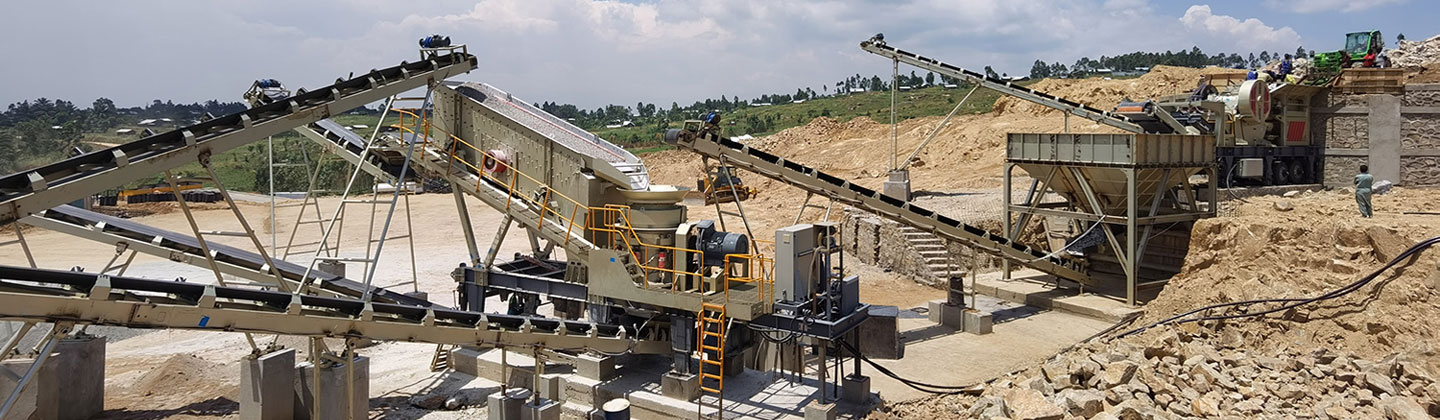
In modern mining, quarrying, and bulk material handling industries, the belt conveyor plays a vital role in improving operational efficiency. Compared with traditional truck haulage or manual transportation, belt conveyor systems provide continuous, stable, and highly automated material transfer. By optimizing conveying processes, companies can significantly reduce operating costs, improve productivity, and enhance workplace safety.
Role of Belt Conveyors in Material Handling
A belt conveyor uses a continuous belt driven by pulleys to transport materials over short or long distances. It is widely used to convey ores, crushed stone, coal, sand, aggregates, and other bulk materials between crushing, screening, and stockpiling stages.
Key advantages include:
-
Continuous operation with minimal downtime
-
High conveying capacity
-
Low energy consumption per ton of material
-
Flexible layout for horizontal, inclined, or curved routes
Because material transport can account for a large share of total operating costs, improving belt conveyor efficiency has a direct impact on the profitability of a plant.
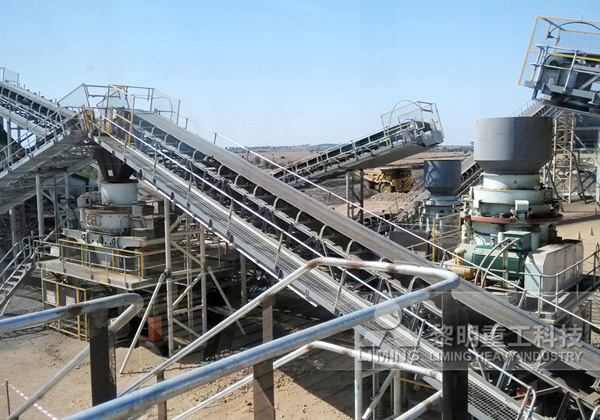
Key Factors Affecting Belt Conveyor Efficiency
1. Conveyor Design and Layout
A well-designed conveyor system minimizes resistance and unnecessary energy loss. Factors such as conveyor length, inclination angle, belt width, and speed must be carefully matched to material characteristics and required capacity.
Optimized layouts reduce transfer points, which helps to:
-
Lower material spillage
-
Reduce wear on belts and components
-
Decrease maintenance frequency
2. Belt Selection and Quality
The belt itself plays a crucial role in efficiency. High-quality conveyor belts with appropriate tensile strength, cover thickness, and rubber compound reduce rolling resistance and slippage.
Selecting the right belt can:
-
Lower power consumption
-
Extend service life
-
Improve conveying stability
3. Drive System Efficiency
Efficient motors, gearboxes, and drive configurations significantly affect energy use. Modern belt conveyors often adopt variable frequency drives (VFDs), which allow precise control of belt speed based on load conditions.
Benefits of efficient drive systems include:
-
Reduced start-up shock
-
Lower peak power demand
-
Improved adaptability to varying material flow
4. Idlers and Rollers Performance
Idlers support the belt and the conveyed material. Low-resistance, well-aligned idlers reduce friction and belt wear.
Using high-quality idlers can:
-
Cut down energy losses
-
Minimize belt misalignment
-
Reduce noise and vibration
Operational Measures to Improve Efficiency
Proper Loading and Material Control
Uniform material feeding prevents belt overload and uneven wear. Controlled loading devices and well-designed chutes help maintain a consistent material layer on the belt, improving conveying efficiency.
Regular Maintenance and Inspection
Routine inspection of belts, pulleys, idlers, and drives ensures that small issues do not escalate into major efficiency losses. Timely maintenance helps to:
-
Prevent belt slippage
-
Reduce unplanned downtime
-
Maintain optimal operating conditions
The belt conveyor is a core component of efficient material handling systems. By focusing on optimized design, high-quality components, efficient drive systems, and smart operation and maintenance practices, companies can greatly improve conveyor efficiency. As industries move toward higher productivity and sustainability, efficient belt conveyor systems will continue to play a vital role in modern crushing and processing plants.