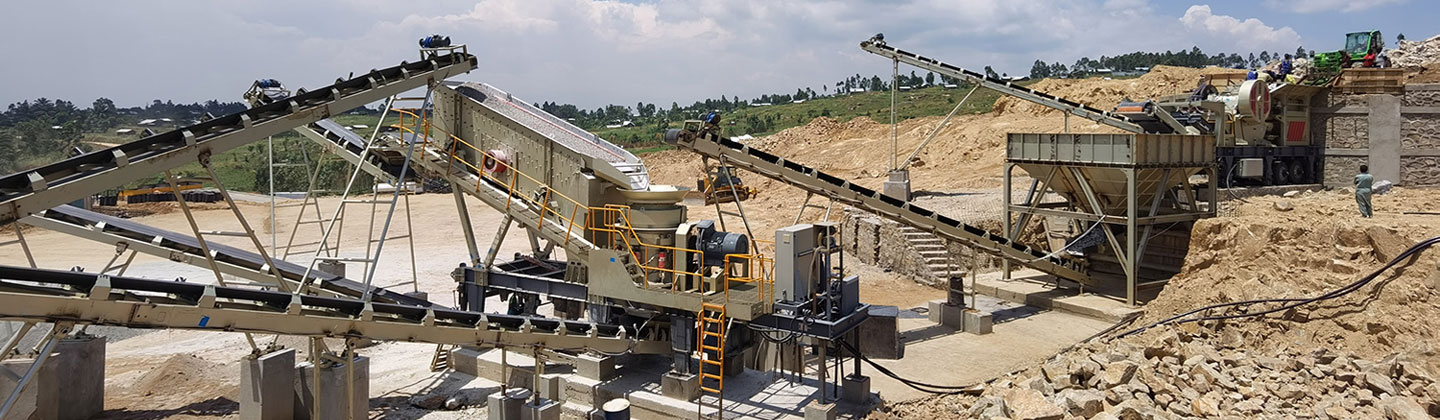
When producing aggregates for construction, road building, and other projects, selecting the right rock crusher is crucial for efficiency, cost-effectiveness, and product quality. Different crushers excel in different stages of the crushing process, depending on rock hardness, feed size, and final product requirements.
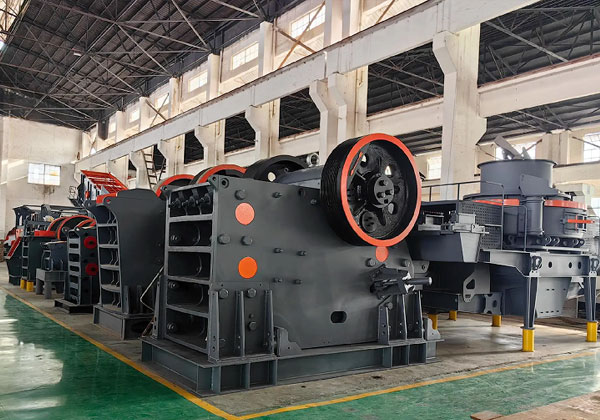
Key Types of Crushers Used in Aggregate Production
1. Jaw Crusher (Primary Crushing)
- Best For: Very hard rocks (150–250 MPa compressive strength) with large feed sizes.
- Advantages: Simple structure, reliable operation, and easy maintenance. Ideal for primary crushing.
- Limitations: Produces uneven particle sizes and requires additional secondary crushing.
- Applications: First stage crushing in quarries and mining operations.
2. Cone Crusher (Secondary/Tertiary Crushing)
- Best For: Hard to medium-hard rocks (100 MPa+ compressive strength).
- Advantages: High reduction ratio, excellent particle shape, and consistent output.
- Limitations: Sensitive to sticky or wet materials; higher initial cost than jaw crushers.
- Applications: Secondary crushing in aggregates production, often paired with jaw crushers.
3. Impact Crusher (Secondary Crushing & Shape Improvement)
- Best For: Medium-hard, brittle rocks (<100 MPa compressive strength).
- Advantages: Produces cubical-shaped aggregates ideal for concrete and asphalt.
- Limitations: Faster wear on blow bars compared to cone crushers.
- Applications: Producing high-quality sand and gravel, urban construction recycling.
4. Vertical Shaft Impact (VSI) Crusher (Tertiary Crushing & Sand Making)
- Best For: Soft to medium-hard rocks for shaping fine aggregates.
- Advantages: Superior sand production with excellent particle shape control.
- Limitations: Not suitable for extremely hard rocks; higher power consumption.
- Applications: Manufactured sand (M-sand) production, high-grade concrete aggregates.
5. Gyratory Crusher (Large-Scale Primary Crushing)
- Best For: Large mining and quarrying operations needing high-capacity primary crushing.
- Advantages: Extremely high throughput for large feed sizes.
- Limitations: Requires significant infrastructure and high operational costs.
- Applications: Large aggregate plants and mining projects.
Choosing the Best Crusher for Aggregates
The optimal crusher depends on:
- Rock Hardness: Jaw and cone crushers for hard rocks; impact crushers for softer rocks.
- Feed Size: Large feed sizes require jaw or gyratory crushers; smaller sizes can go directly to cones or impactors.
- Final Product Shape: Cones and VSI crushers produce cubical particles ideal for concrete.
- Production Capacity: Large-scale operations may need gyratory crushers, while smaller plants opt for jaws and cones.
- Budget & Maintenance: Impact crushers wear faster but offer better shape; cone crushers provide longer wear life with higher upfront costs.
For most aggregate production setups:
- Primary Crushing: Jaw crusher (hard rocks) or gyratory crusher (high-capacity mines).
- Secondary Crushing: Cone crusher (hard rocks) or impact crusher (medium-hard/brittle rocks).
- Tertiary Crushing: Cone crusher or VSI crusher (fine-tuning aggregate shape).
A well-balanced crushing plant combines multiple crusher types to maximize efficiency and produce high-quality aggregates tailored to specific project demands. Consulting with crushing experts can help optimize the selection for cost-efficiency and performance.