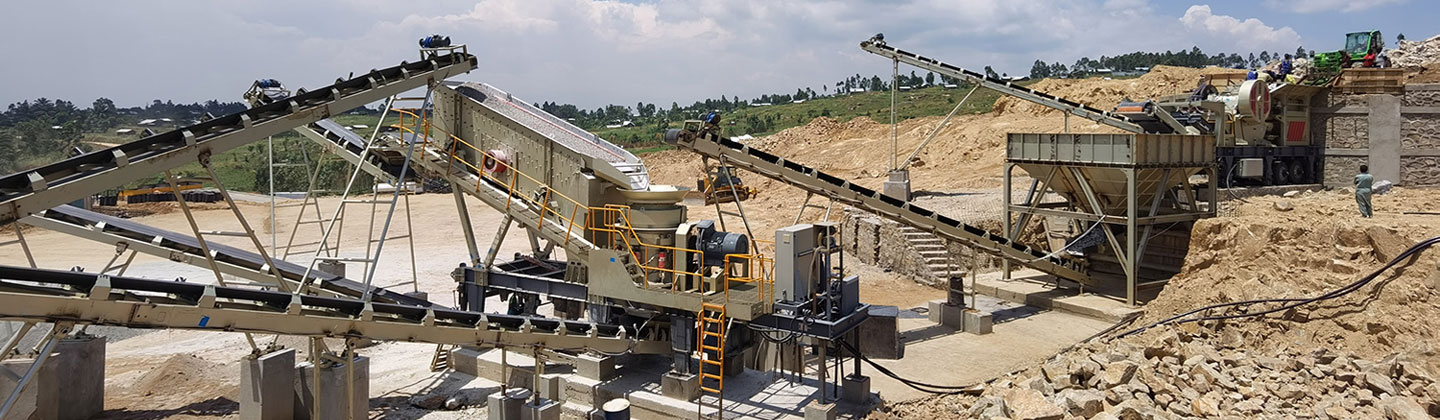
Generating high-value materials from urban demolition isn’t about the demolition itself; it’s about how you handle the debris on-site. If you are hauling raw waste to a landfill, you are throwing away the profitability timeline of your project. A proper construction waste crushing and screening process turns concrete, brick, and asphalt into sustainable recycled aggregate production that meets strict construction standards. Out in the field, we don’t have time for complex concrete foundations or long assembly periods. We need systems that roll in, stabilize, and start producing aggregate within hours, not weeks.
How does the NK series mobile station eliminate foundation costs?
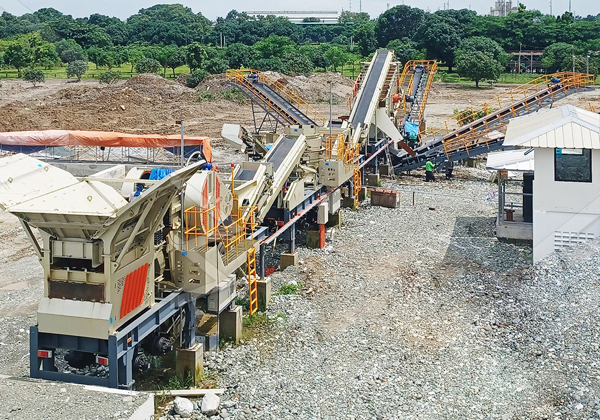
In urban renewal projects, the site is often cramped and temporary. You cannot afford to pour concrete foundations for stationary crushers. The NK series mobile stations, such as the NK75J primary plant, are designed for “Zero Foundation” deployment. These machines use a heavy-duty integrated chassis that distributes weight effectively, allowing for rapid deployment on compacted ground. From a maintenance perspective, the lack of fixed foundations means we don’t deal with structural cracking in concrete pads caused by the intense vibration of the PE3040 jaw crusher. You simply drive the unit into position, extend the hydraulic supports, and you are ready to feed material up to 680mm in size.
The K3 series integrated plants take this a step further by combining crushing and screening on a single frame. This reduces the number of transfer points where material can spill or dust can escape. On the floor, this means fewer grease points to hit and less time spent shoveling mud from under conveyors. When the site is finished, the units move to the next location under their own power or via standard transport, keeping the capital payback velocity high and the site footprint minimal.
Why are magnetic separators and dust suppression non-negotiable?
Processing construction waste is different from quarrying virgin rock because of the contamination. Rebar is the biggest “profit killer” in this industry. If you don’t extract the steel before it reaches your secondary impactor, you will be replacing blow bars every few shifts. We mandate the use of high-strength magnetic separators at the primary discharge. These magnets pull out rebar and wire mesh, preventing mechanical “choking” and protecting the downstream equipment. This isn’t just about saving the machine; it’s about turning that scrap metal into a secondary revenue stream, further lowering the total cost per ton of aggregate produced.
Environmental compliance is your license to operate in a city. You won’t last a day in urban demolition if you are choking the neighborhood with dust. Modern mobile stations must include integrated high-pressure spray systems at the feed hopper, crusher discharge, and screen decks. By suppressing dust at the source, you meet Green Mine Standards even in the middle of a residential district. Combined with noise reduction enclosures around the main machine, these features ensure your operation stays within the local environmental regulations without sacrificing capacity.
| Model | Primary Machine | Capacity (tph) | Power (kW) | Max Feed (mm) |
|---|---|---|---|---|
| NK75J Primary | PE3040 Jaw Crusher | 150-350 | 141.4 | 680 |
| NK300H Secondary | HPT300 Cone Crusher | 110-440 | 323.5 | 220 |
| K3T100-4 Integrated | Mobile Crushing Plant | 70-120 | 130 | 430 |
| XSD3220 Washer | Wheel Type Sand Washer | 60-150 | 15 | 10 |
Producing high-quality recycled sand with XSD and LSX washers
The final stage of a construction waste crushing and screening process involves refining the fines. Standard crushed concrete fines often contain high amounts of dust and organic impurities which make them unsuitable for high-grade concrete. This is where the XSD series sand washer or the LSX series spiral washer becomes critical. By washing the 0-5mm fraction, you remove the “ultra-fines” and contaminants, resulting in a recycled sand that meets the required grading curves. The XSD3220, for instance, handles up to 150 tph with minimal power expenses, using a wheel-type design that reduces water loss and ensures a clean final product. This transformed “waste” sand is no longer a disposal liability; it is a marketable asset for local infrastructure projects.
Frequently Asked Questions
- How do you handle high moisture demolition waste during the rainy season?
- We utilize the LSX series spiral washers which excel at scrubbing sticky material. Additionally, adjusting the screening frequency on the K3S units prevents the screen mesh from “blinding” or clogging with wet fines, maintaining production consistency despite the weather.
- What is the most common cause of downtime in mobile waste plants?
- Usually, it is improper rebar extraction. If a piece of 20mm rebar gets past the magnet and wedges into a cone crusher, you are looking at hours of non-planned downtime. We recommend daily inspections of the magnet’s discharge chute to ensure no metal is bridging and causing a bypass.
- Can these mobile units meet strict urban noise ordinances?
- Yes. By utilizing the electric-drive options (dual power) found in the NK and K3 series, you can run the plant on external grid power. This significantly reduces the noise profile compared to pure diesel-powered units, aiding in Environmental Compliance.
How much rebar are you currently pulling from your waste stream, and are your blow bars lasting through the week? Send us your current feed composition, and we will calculate the specific cost per ton of aggregate for an NK series deployment on your next urban renewal site.