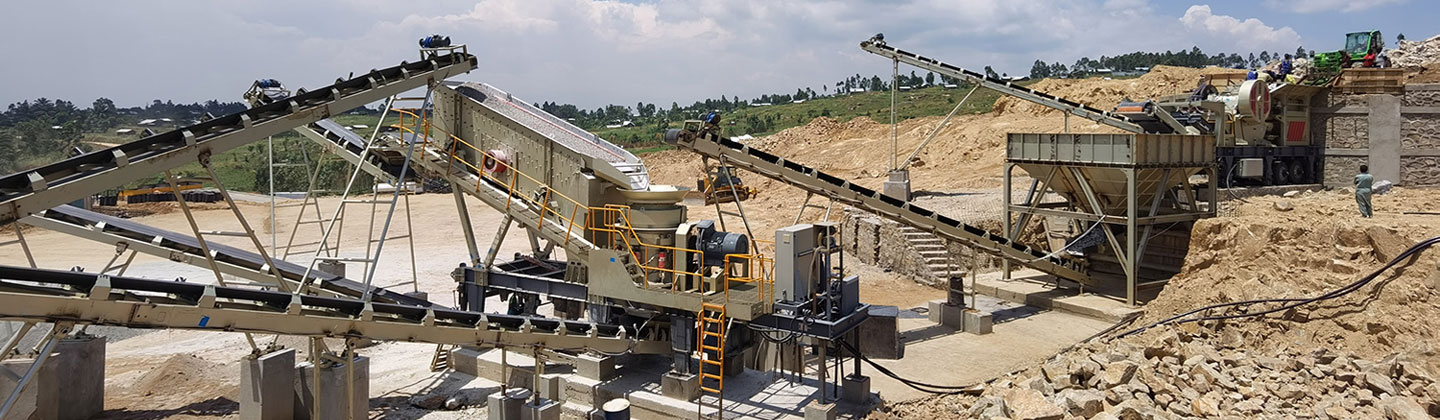
In the mining and aggregates industries, the coarse crushing stage remains a critical first step in transforming raw stone into usable material. As demand for infrastructure and construction materials continues to grow worldwide, stone crushers designed for coarse crushing are gaining renewed attention for their efficiency, durability, and technological advancements.
The Role of Coarse Crushing
Coarse crushing is the initial stage in the size reduction process, where large rocks extracted from quarries or mines are broken down into manageable sizes. This stage typically reduces raw materials ranging from 500–1500 mm down to 100–300 mm, preparing them for secondary and tertiary crushing.
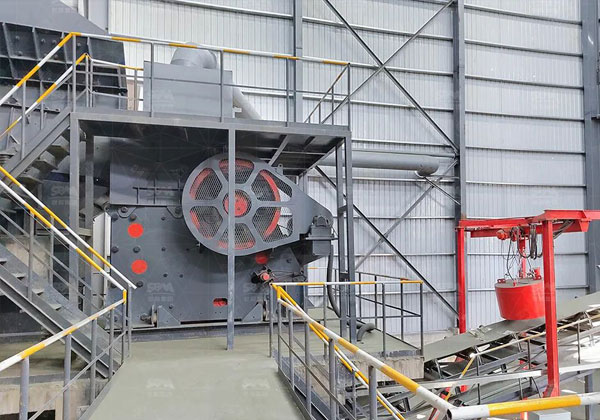
The equipment used in this phase must withstand high impact forces and abrasive conditions while maintaining consistent output. As a result, heavy-duty machines such as jaw crushers and gyratory crushers dominate this segment.
Types of Stone Crushers Used
Several types of stone crushers are commonly employed during the coarse crushing stage, each designed to handle specific materials and operating conditions:
- Jaw Crushers: Among the most widely used machines in coarse crushing is the jaw crusher. Known for its simple structure and reliable operation, the jaw crusher compresses material between a fixed and a moving plate, effectively breaking down even the hardest rocks such as granite, basalt, and iron ore.
- Gyratory Crushers: Another important player is the gyratory crusher, which offers higher capacity and continuous operation. These machines are often deployed in large-scale mining operations where throughput is a priority.
- Impact Crushers (Primary): In certain applications, primary impact crushers are used for softer materials like limestone. They rely on high-speed impact forces to break rocks, offering a more cubical product shape.
Factors Influencing Performance
The effectiveness of coarse crushing depends on several factors:
- Material Characteristics: Hardness, abrasiveness, and moisture content significantly affect crusher selection and performance.
- Feed Size and Gradation: Uniform feed improves efficiency and reduces wear on equipment.
- Crusher Design: Advanced chamber designs and optimized kinematics enhance crushing efficiency and product quality.
- Maintenance Practices: Regular inspection and timely replacement of wear parts are essential to ensure consistent operation.
Technological Advancements
Modern stone crushers are increasingly equipped with smart technologies. Automation systems allow operators to monitor performance in real time, adjust settings remotely, and predict maintenance needs. This not only reduces downtime but also improves safety and operational efficiency.
In addition, environmental considerations are shaping equipment design. Dust suppression systems, noise reduction features, and energy-efficient motors are becoming standard in new-generation crushers.