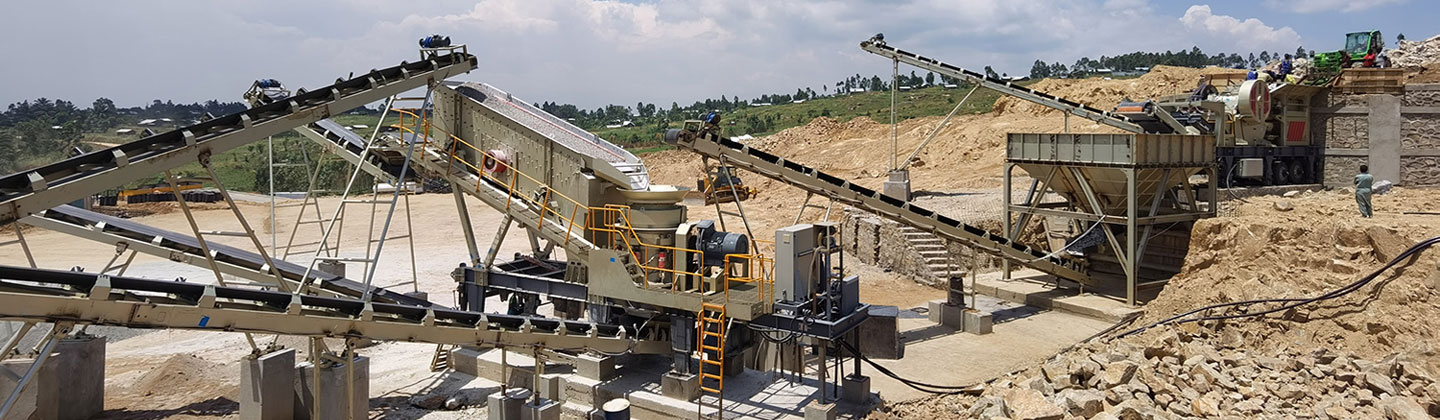
In the volatile landscape of global mining and infrastructure development, the mandate for 2026 is clear: operational leaness. As energy costs fluctuate and high-grade ore becomes increasingly elusive, the industry is pivoting away from complex, multi-stage crushing circuits in favor of high-efficiency, single-stage solutions. At the center of this shift is the High Crushing Ratio Jaw Crusher, a machine that is no longer just a “primary workhorse” but a sophisticated analytical tool for modern production.
The Theoretical Foundation: Beyond Simple Compression
The superiority of the high crushing ratio jaw crusher is rooted in the physics of material fracture. While traditional jaw crushers typically offer a reduction ratio of $4:1$ to $6:1$, modern high-ratio units are achieving upwards of $10:1$ and $12:1$.
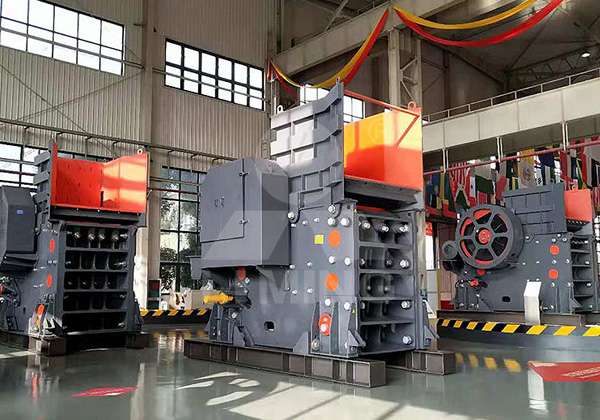
This is achieved through a combination of optimized chamber geometry and enhanced stroke dynamics. By utilizing a deeper crushing chamber and a steeper “nip angle” (the angle between the fixed and swing jaws), the equipment ensures that material is subjected to multiple “crushing events” as it descends.
The “Single-Stage” Argument
The core thesis for investing in high-ratio technology is the reduction of process flow. In a traditional setup, achieving a fine output requires:
-
Primary Jaw Crusher (Large feed $\rightarrow$ Medium output)
-
Intermediate Conveyors
-
Secondary Cone or Impact Crusher (Medium feed $\rightarrow$ Final product)
By utilizing a high crushing ratio jaw crusher, operators can often bypass the secondary stage entirely for certain applications. This “Linear Efficiency” model reduces capital expenditure (CAPEX) by eliminating secondary units and slashes operational expenditure (OPEX) by reducing the number of wear parts and energy-consuming motors in the circuit.
Key Features of the 2026 Generation
For buyers currently browsing the market, the following technical advancements distinguish the top-tier high-ratio models from legacy inventory:
-
Hydraulic Wedge Adjustments: Replacing manual shim plates, these systems allow for “on-the-fly” changes to the Closed Side Setting (CSS), ensuring the crushing ratio remains constant even as jaw liners wear down.
-
Heavy-Duty Eccentric Shafts: Forged from high-strength alloy steel, these shafts provide the massive centrifugal force required to maintain high ratios in hard-rock applications like basalt and granite.
-
Integrated IoT Monitoring: Modern units for sale are now equipped with “Digital Twin” sensors that monitor bearing temperature and vibration, predicting maintenance needs before a failure occurs.
Economic Justification: The ROI of “Crushing More with Less”
From an argumentative standpoint, the “Sale” of a high crushing ratio jaw crusher is a sale of sustainability.
| Feature | Standard Jaw Crusher | High Crushing Ratio Jaw Crusher |
| Reduction Ratio | $4:1 – 6:1$ | $8:1 – 12:1$ |
| Energy Consumption | Baseline | 15-20% lower (per ton of finished product) |
| Footprint | Requires secondary circuit | Compact, often single-unit setup |
| Maintenance | Two machines to service | One machine to service |
The Strategic Choice
The high crushing ratio jaw crusher represents the pinnacle of mechanical refinement. For the modern enterprise, “buying” is no longer about purchasing steel and motors; it is about acquiring the theoretical advantage of optimized reduction. By maximizing the work done in the primary stage, operators are finding the most direct path to profitability in an increasingly competitive global market.