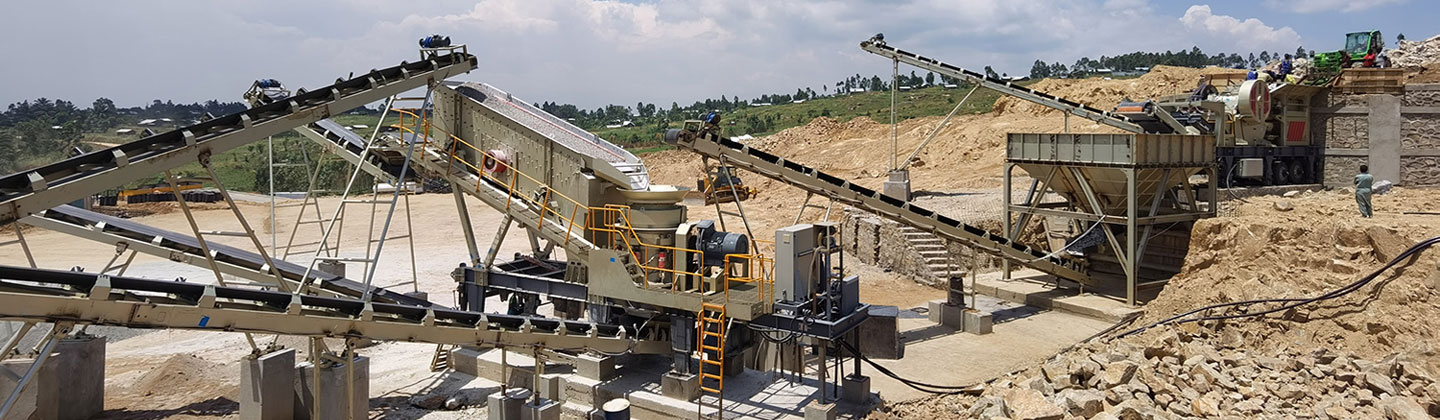
Investing in crushers for hard ore materials, such as granite, basalt, or high-grade quartz, requires careful consideration of various cost factors. The price of crushers designed for hard rock applications depends on several key elements, including equipment type, production capacity, technological features, and market conditions.
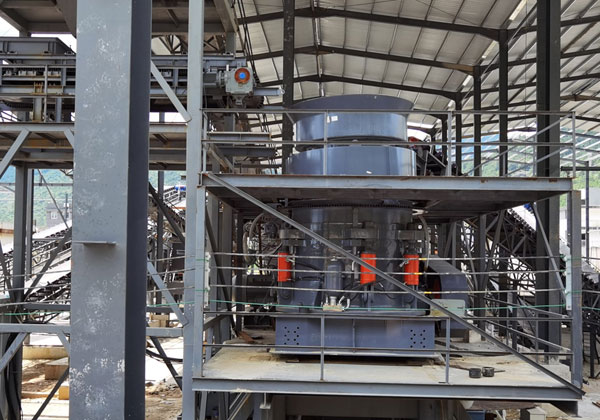
Equipment Type and Configuration
Different crushers are optimized for various hardness levels and abrasiveness of ores:
- Jaw Crushers – Suitable for primary crushing, prices vary based on feed size and crushing power.
- Cone Crushers (e.g., HPT Hydraulic Cone Crusher) – Ideal for secondary and tertiary crushing of hard materials, offering higher efficiency but at a premium cost.
- Impact Crushers – Used selectively for less abrasive hard rocks, often priced lower than cone crushers but with wear limitations.
Higher-grade materials like tungsten or molybdenum ores may demand specialized cone crushers with enhanced wear resistance, elevating costs.
Production Capacity and Efficiency
Machines designed for larger throughput (e.g., 500–1000 TPH) command higher prices due to reinforced structures, powerful motors, and automation features. Advanced models with hydraulic adjustment and intelligent control systems (such as automatic overload protection) also contribute to increased pricing but offer long-term operational savings.
Material and Manufacturing Costs
Hard ore crushers must endure extreme abrasion, necessitating high-chrome alloys or manganese steel components, which influence manufacturing costs. Global steel and raw material price fluctuations also impact final equipment pricing.
Market Demand and Competition
Regional mining activity increases demand for hard-rock crushers, potentially driving up prices. Conversely, competitive markets may lead to pricing adjustments, especially among established manufacturers offering reliable after-sales support.
Investing in the right crusher for hard ore involves balancing upfront costs with long-term durability and efficiency. Buyers should consider technical specifications, material compatibility, and manufacturer reputation to make the best decision for their operational needs.