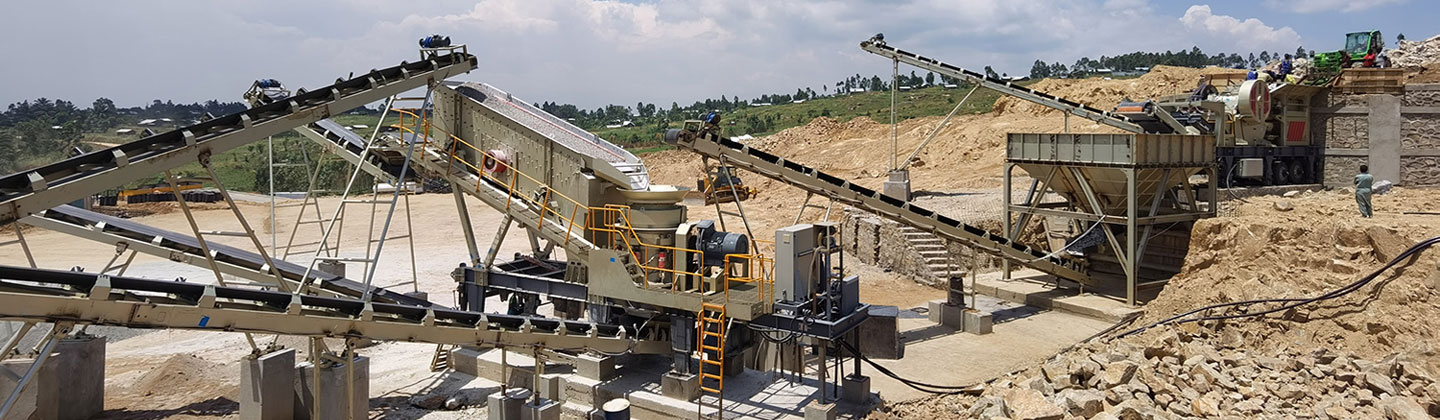
In modern mineral processing plants, accurate particle-size separation is essential for maximizing recovery, controlling product quality, and maintaining stable crushing performance. A multi-deck vibrating screen provides an efficient solution by separating material into several size fractions in a single screening stage. When combined with high-efficiency equipment such as the S5X Series Vibrating Screen, the screening circuit can achieve precise cut points while handling large throughputs with stable dynamic performance.
Calculating Screen Area and Deck Capacity
The starting point for an optimal multi-deck screening circuit is correctly sizing the screen area. Each deck must have sufficient effective screening area to process its assigned fraction without excessive loading. Screen capacity depends on several factors, including feed rate, bulk density, particle-size distribution, moisture content, shape, and required separation efficiency.
A practical design approach begins with the total plant feed rate and divides the material according to the expected size distribution. The required screening area can then be estimated from the capacity per unit area, with correction factors applied for moisture, deck efficiency, particle shape, and the percentage of near-size material.
For a multi-deck S5X screen, each deck should be evaluated independently rather than assuming that the entire screen has identical capacity. The upper deck generally receives the largest and coarsest load, while lower decks handle progressively finer material. Adequate area and open screening surface are therefore critical for preventing excessive bed depth and maintaining consistent stratification.
Balancing Stroke Amplitude and Vibration Frequency
Screening performance is strongly influenced by the relationship between vibration frequency and stroke amplitude. These parameters determine acceleration, material velocity, stratification, and residence time on the screen.
Higher amplitude can increase material movement and improve the transport of coarse particles, but excessive amplitude may reduce screening residence time and cause particles to pass over the aperture before adequate separation occurs. Conversely, insufficient amplitude can create a thick material bed, reducing the probability of undersize particles reaching the screening surface.
The vibration frequency must therefore complement the selected stroke. For fine and intermediate separations, a higher frequency with an appropriately controlled stroke can promote rapid stratification and increase the probability of near-size particles passing through the openings. Coarser applications may benefit from greater amplitude to maintain material flow and prevent accumulation.
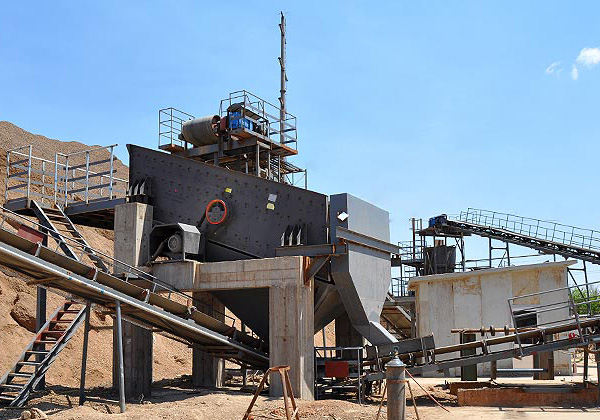
The S5X Series is particularly suitable for this task because its optimized vibration characteristics and robust structural design support stable operation under demanding mineral-processing conditions. Rather than maximizing vibration intensity, the objective should be to establish the lowest dynamic force that delivers the required transport and separation efficiency.
Selecting Polyurethane and Woven Wire Mesh Decks
Deck media selection is another major factor in achieving accurate cut points. Woven wire mesh provides a high open area and is widely used when precise apertures and efficient screening are required. Its flexibility and relatively high screening efficiency make it suitable for applications where accurate sizing is the priority.
However, wet, sticky, or clay-containing ores can cause conventional wire openings to become blinded. In these conditions, polyurethane screen panels can provide significant advantages. Their elastic properties and engineered opening geometry help reduce pegging and blinding while offering high wear resistance.
An optimized multi-deck circuit does not necessarily require the same screen media on every deck. For example, a coarse upper deck can use heavy-duty woven wire or robust polyurethane panels, while intermediate decks can combine polyurethane and wire configurations according to feed characteristics. Lower decks handling finer, potentially damp material may benefit particularly from anti-blinding polyurethane media.
This hybrid approach allows the circuit to balance open area, wear life, screening precision, and resistance to plugging.
Maintaining Accurate Cut-Point Separation
Achieving an exact cut point requires more than selecting the nominal aperture size. Particle stratification, deck loading, screen inclination, vibration parameters, and material residence time all influence actual separation.
The circuit should therefore be configured so that each deck receives a manageable material layer. Excessive bed depth reduces the probability that undersize particles will migrate toward the screening surface, while inadequate loading can reduce throughput and make the system unnecessarily large.
Closed-circuit crushing plants require particular attention because screen performance directly influences the circulating load. Oversize material returned to the crusher must be limited to the fraction that genuinely requires further reduction. If screening efficiency falls, excessive near-size material can enter the circulating load, increasing crusher power consumption and reducing overall plant capacity.
Maintaining Dynamic Mass Balance
A high-efficiency screening circuit must also maintain dynamic mass balance across the crusher, screen, conveyors, and product streams. The total mass entering the circuit must equal the combined mass of final products and circulating material over time.
S5X screens can be integrated into this balance by assigning each deck a defined product stream and monitoring the corresponding load. Feed distribution should remain uniform across the screen width to avoid localized overloading, uneven wear, or variations in cut-point accuracy.
Ultimately, an optimal multi-deck vibrating-screen circuit combines accurate area calculations, controlled amplitude and frequency, application-specific screen media, and continuous mass-flow balancing. Properly configured, an S5X Series Vibrating Screen can deliver reliable multi-grade mineral sorting, minimize blinding, stabilize closed-circuit crushing loads, and maintain consistent product specifications even under demanding operating conditions.